Photometer
Instrument for measuring light quantities like luminous flux.

NASA Johnson Space Center · Public domain
A photometer is an instrument for measuring photometric quantities such as luminous flux, illuminance, or luminance. Historically, photometry was done by estimation, comparing the luminous flux of a source with a standard source. By the 19th century, common photometers included Rumford's photometer, which compared the depths of shadows cast by different light sources, and Ritchie's photometer, which relied on equal illumination of surfaces. Another type was based on the extinction of shadows. Most modern photometers detect light by converting it into an electric current using a photoresistor, photodiode, or photomultiplier.
- field
- Photometry
- known_for
- Measuring luminous flux, illuminance, or luminance
- types
- Rumford's photometer, Ritchie's photometer, extinction-of-shadows photometer, modern electronic photometers
Lore & Background
Before electronic light sensitive elements were developed, photometry was done by estimation by the eye. The relative luminous flux of a source was compared with a standard source. The photometer is placed such that the illuminance from the source being investigated is equal to the standard source, as the human eye can judge equal illuminance. The relative luminous fluxes can then be calculated as the illuminance decreases proportionally to the inverse square of distance. A standard example of such a photometer consists of a piece of paper with an oil spot on it that makes the paper slightly more transparent. When the spot is not visible from either side, the illuminance from the two sides is equal.
Reader's Guide
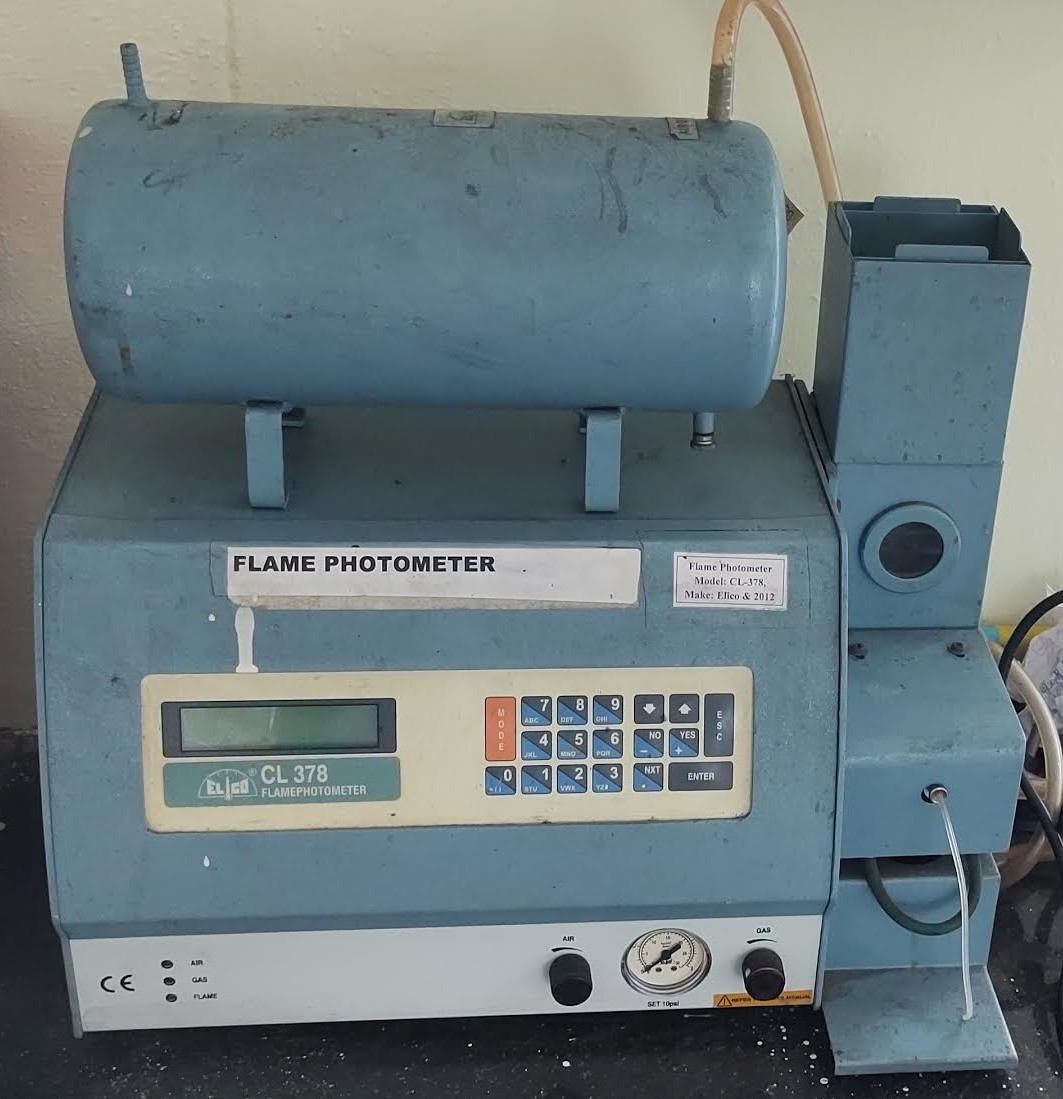
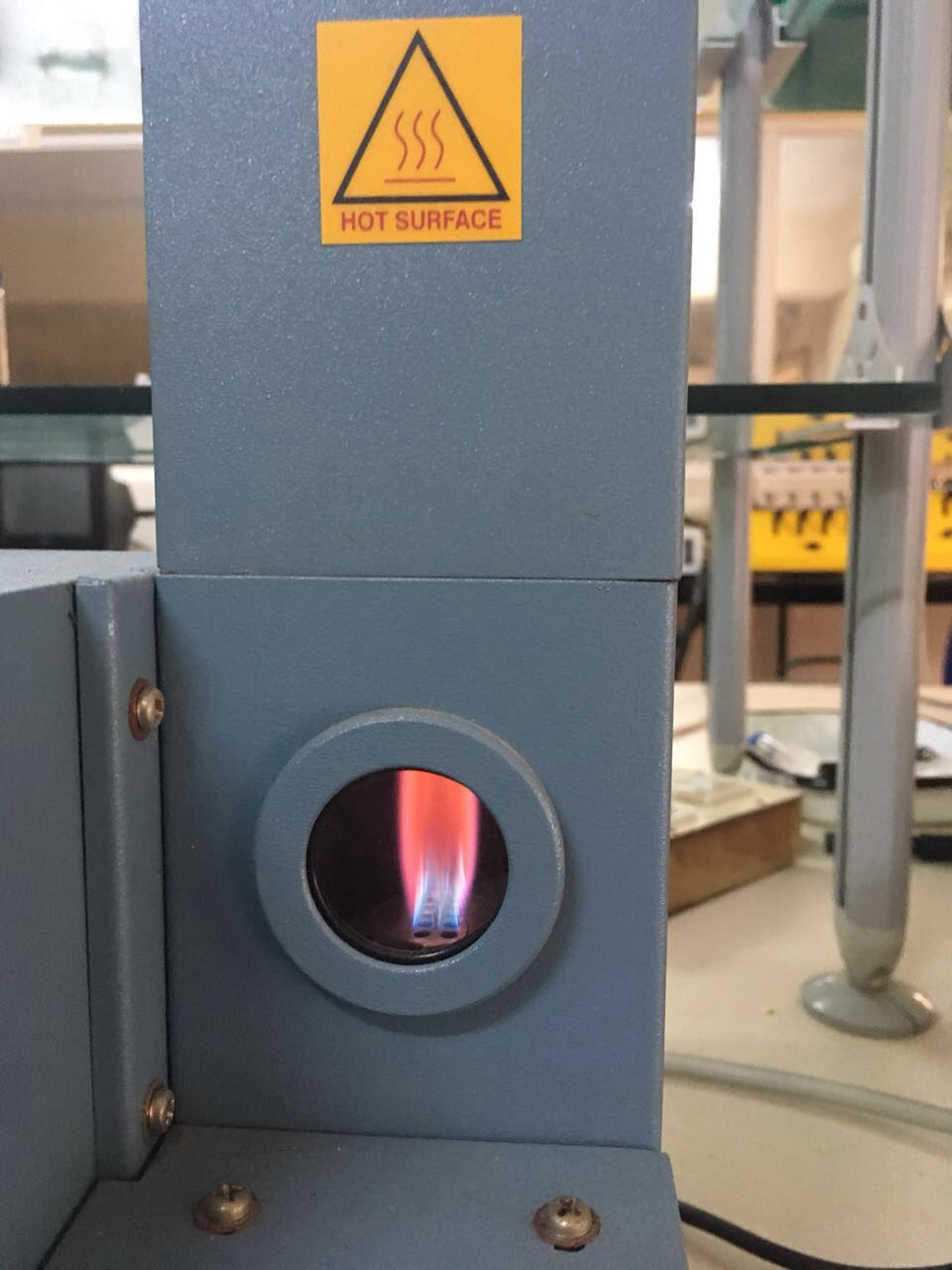
Photometers have wide-ranging applications including photography, where they determine the correct exposure, and science, where they are used in absorption spectroscopy to calculate the concentration of substances in a solution, infrared spectroscopy to study the structure of substances, and atomic absorption spectroscopy to determine the concentration of metals in a solution. In modern cameras, the photometer is usually built in. As the illumination of different parts of the picture varies, advanced photometers measure the light intensity in different parts of the potential picture and use an algorithm to determine the most suitable exposure for the final picture. Spectrophotometers can easily be set to measure the absorbance at different wavelengths, and they can also be used to scan the spectrum of the absorbing substance. Filter photometers are cheaper, robuster and easier to use and therefore they are used for routine analysis. Infrared spectrophotometry is mainly used to study structure of substances, as given groups give absorption at defined wavelengths.
Did You Know?
- Rumford's photometer compared the depths of shadows cast by different light sources.
- Ritchie's photometer consisted of a box with a wedge of wood covered with white paper and a viewing tube.
- Some modern photometers measure light by counting individual photons, useful where irradiance is low.
- Photometers are used in atomic absorption spectroscopy to determine the concentration of metals in a solution.
The Dawn of Measuring Light
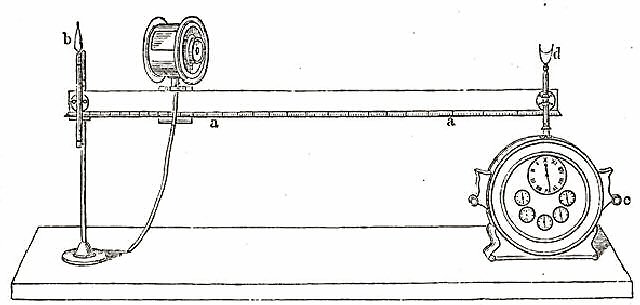
Before the advent of electronic sensors, the task of quantifying light fell entirely to human perception. Practitioners would position a device between a test source and a reference source, adjusting until the eye perceived equal brightness on both sides. The inverse-square relationship between distance and illuminance then allowed the relative fluxes to be calculated. By 1861, three distinct mechanical approaches had become standard in laboratories. Rumford's shadow photometer exploited the observation that a more intense light casts a deeper shadow; by matching shadow depths on a sheet of paper, the ratio of intensities could be read directly from the ratio of squared distances. Ritchie's design used a narrow box containing an angled wedge of white paper, with the observer peering through a small tube to judge when both illuminated faces appeared equally bright. The third method, based on the complete extinction of a shadow when a second source was introduced at the correct distance, was regarded as the most precise of the three.
From Photons to Currents: Modern Detection
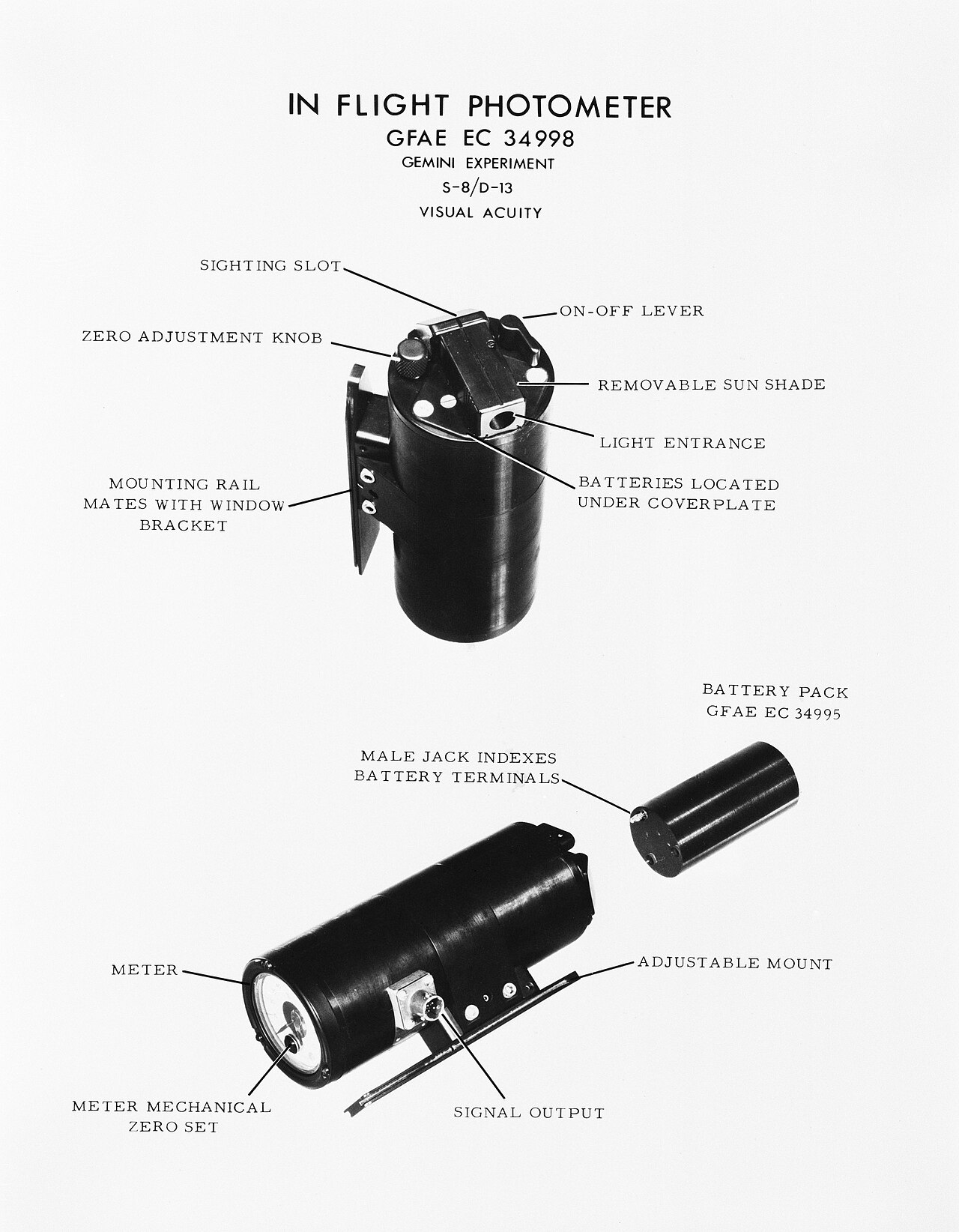
Contemporary photometers have largely replaced the human eye with semiconductor and vacuum-tube detectors. The most common sensing elements are photoresistors, photodiodes, and photomultiplier tubes, each converting incident light into a measurable electric current. For spectral analysis, the device may route light through a filter or a monochromator before detection, enabling measurements at specific wavelengths or across a full distribution. A more specialized class of instrument performs photon counting, registering individual quanta of light rather than aggregate flux. Because the readout electronics operate in the megahertz range and the detector's throughput and gain impose hard ceilings, these counters are restricted to low-irradiance environments. In the near-infrared, visible, and ultraviolet bands, a photomultiplier provides the sensitivity needed. In airborne and space-based platforms, photon counters are deployed at the extreme high-energy end of the spectrum, from X-rays to far ultraviolet, where the particle-like character of radiation makes discrete counting more practical than the wavelike techniques used by radiometers in the visible, infrared, and radio ranges.
Serving Science, Industry, and the Photographer
The photometer's reach extends far beyond the laboratory bench. In photography, it remains the tool that establishes correct exposure; modern cameras integrate the sensor directly, while earlier systems relied on a separate handheld exposure meter. Advanced models sample light from multiple zones of the frame and apply an algorithm tailored to the intended image type, ensuring that the most important elements are properly exposed. In analytical chemistry, absorption spectroscopy uses the instrument to calculate the concentration of dissolved substances, while infrared spectroscopy reveals molecular structure and atomic absorption spectroscopy quantifies metal content in solution. In the paint and coatings industry, a reflectance photometer illuminates a surface with white light and measures the reflected spectrum through a monochromator, providing an objective, wavelength-by-wavelength characterization of color that replaces subjective visual assessment. Across all these fields, the underlying task is the same: translating the physical quantity of light into a number that can drive a decision.
The Eye as the First Detector
Long before any electronic component could sense light, the human eye served as the sole photometric detector. The working principle was deceptively simple: place a test source and a standard source on opposite sides of a reference surface, then adjust their distances until the observer judged the two illuminances to be equal. Because illuminance falls off with the square of distance, the ratio of the two distances immediately yielded the ratio of luminous fluxes. A classic implementation used a sheet of paper bearing a small oil spot that made the paper slightly more transparent at that point. When the spot disappeared from view on both sides, the illuminances were matched. Ritchie's apparatus refined this idea with a purpose-built box: the observer looked through a narrow tube at an angled wedge of white paper, and the two lights were repositioned until both faces appeared equally bright. In every case, the instrument was essentially a mechanical aid that guided the eye to a perceptual null point, after which simple geometry completed the measurement.
Gallery

Frequently Asked Questions
What is a photometer?
A photometer is a scientific instrument designed to quantify photometric quantities such as luminous flux, illuminance, or luminance. It is the standard tool in the field of photometry for turning perceived light into a measurable value.
What exactly does a photometer measure?
It measures photometric quantities, most commonly luminous flux (total visible light emitted), illuminance (light arriving on a surface), or luminance (light emitted or reflected from a surface). These are distinct from raw radiometric energy and are weighted to match human visual sensitivity.
What historical types of photometers existed?
Nineteenth-century designs included Rumford's photometer, which judged brightness by comparing the depths of shadows cast by two sources; Ritchie's photometer, which relied on achieving equal illumination across a surface; and an extinction-of-shadows variant. Modern electronic photometers have since replaced all of these.
How does a modern photometer convert light into a reading?
A modern photometer uses a photoresistor (or similar light-sensitive element) to transform incoming light into an electric current. That current is then processed and displayed as a numerical photometric value.
How was light measured before dedicated photometers were invented?
Early photometry was essentially visual estimation: an observer would compare the luminous flux of an unknown source against a known standard source and judge relative brightness by eye. This subjective method persisted until the 19th century, when purpose-built instruments like Rumford's and Ritchie's photometers introduced a more objective comparison.
More in Science & Measurement 1-16
Spotted an error? Know more?
This is a living reference — every entry is fact-audited, and reader corrections feed straight into our audit queue. Suggest an edit · See this site's audit record